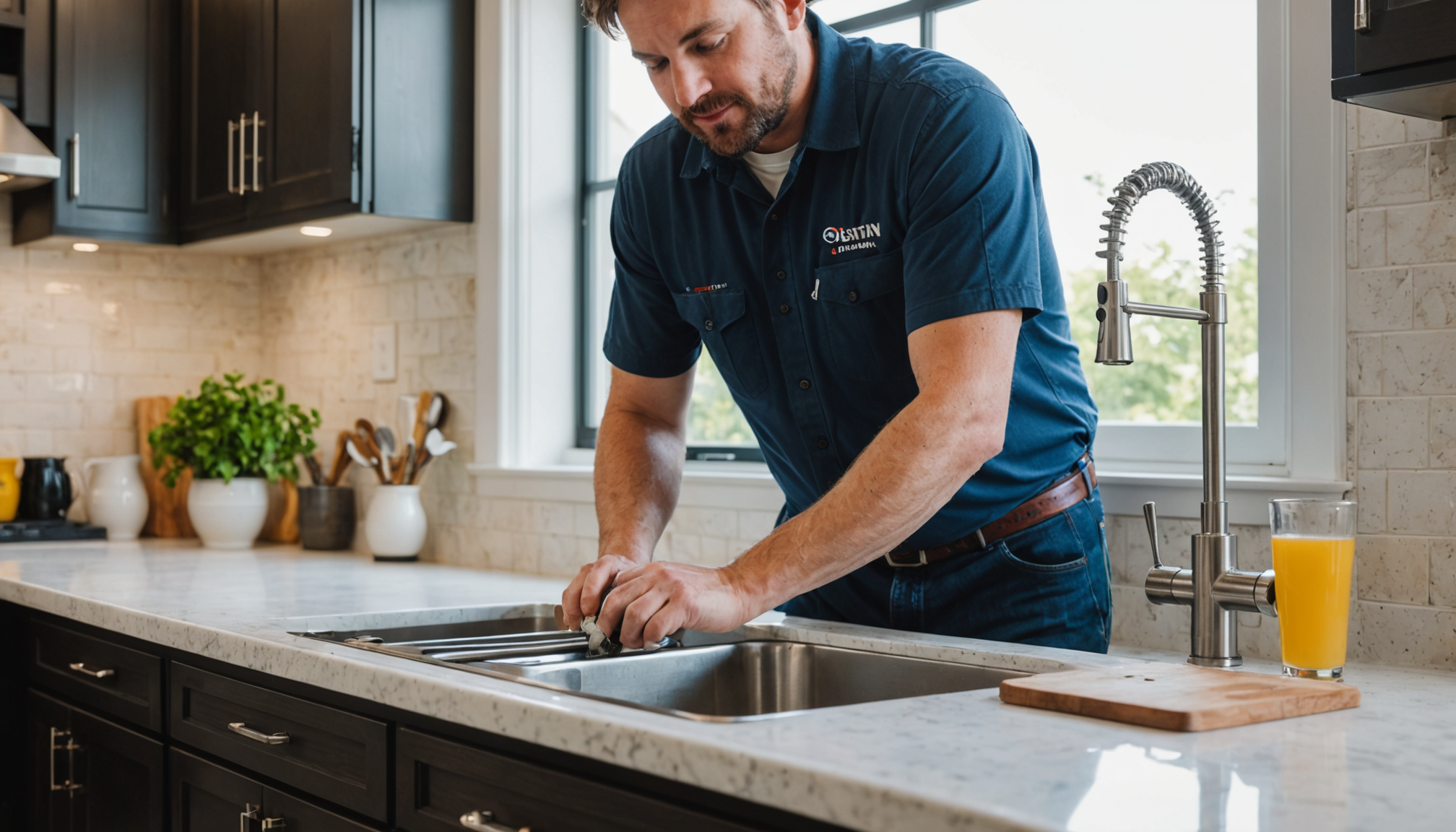
How to Unclog Any Drain in Your Home (Austin Plumber's Guide)
A clogged drain doesn't have to ruin your day — or cost you a fortune. In most cases, you can clear the blockage yourself in under 30 minutes using tools you already own or can pick up for a few dollars at a hardware store. This guide walks you through the exact methods we use at FlowFix Plumbing, organized by drain type, so you can tackle the problem the right way the first time.
That said, some clogs are symptoms of a bigger issue. We'll tell you exactly when it's worth picking up the phone instead of reaching for the plunger.
---
Why Austin Drains Clog More Than You Think
Austin's water is notoriously hard — meaning it carries high levels of calcium and magnesium minerals. Over time, these minerals build up inside your pipes and create a rough, sticky surface that catches hair, grease, soap scum, and food particles far more efficiently than smooth pipes would. If you've lived here a few years and your drains are slowing down across the whole house, mineral buildup is often a major contributor — not just what you're putting down the drain.
On top of that, Austin's rapid growth means many homes — especially in older neighborhoods like Hyde Park, South Congress, and Brentwood — are running original cast-iron or galvanized pipes that are already narrowed from decades of buildup. Understanding this context helps you choose the right solution instead of just treating the symptom.
---
How to Unclog a Bathroom Sink Drain
Bathroom sinks are the most common clog call we get. The culprit is almost always a combination of hair, toothpaste residue, and soap scum about 4–8 inches below the drain opening.
Step 1: Remove and Clean the Stopper
Most bathroom sinks have a pop-up stopper that can be lifted or unscrewed by hand. Pull it out and clean the gunk off — you'd be surprised how often this alone solves the problem.
Step 2: Use a Zip-It Tool
A Zip-It (or any plastic barbed drain cleaning tool) costs about $3 at any hardware store and is remarkably effective. Insert it into the drain, twist, and pull out the hair clog. Most bathroom sink clogs end here.
Step 3: Try the Baking Soda + Vinegar Method
If there's still slow drainage after clearing hair:
1. Pour ½ cup of baking soda directly into the drain
2. Follow with ½ cup of white vinegar
3. Cover the drain and let it fizz for 15–20 minutes
4. Flush with a full kettle of boiling water
This combination breaks down soap scum and light grease without damaging your pipes — unlike harsh chemical drain cleaners, which we'll discuss in a moment.
Step 4: Use a Small Plunger
Use a cup plunger (not a flange plunger — that's for toilets). Cover the overflow hole with a wet rag to create suction, then plunge firmly 8–10 times.
---
How to Unclog a Kitchen Sink Drain
Kitchen sink clogs are grease and food. Even if you're careful, small amounts of cooking oil accumulate in your pipes over time, eventually catching food particles until flow slows to a trickle.
The Boiling Water Method
Start simple: boil a full kettle and slowly pour it down the drain in two or three stages, allowing 30 seconds between each pour. This melts grease clogs in many cases.
The Plunger Method
A standard cup plunger works well here. If you have a double sink, plug the second basin with a wet rag before plunging — otherwise you'll just push water back and forth between the two sides with no real pressure on the clog.
Using a Hand-Crank Drain Snake (Auger)
For stubborn kitchen clogs, a 25-foot hand-crank auger (around $25 at any hardware store) is the right tool. Insert it into the drain, crank clockwise to work it through the clog, then pull it back and flush with hot water. Repeat until water drains freely.
What About Chemical Drain Cleaners?
We'd strongly advise against relying on chemical drain cleaners like Drano or Liquid-Plumr for kitchen drains. Here's why:
- They don't fully dissolve grease — they just push it further into your pipes
- Repeated use degrades PVC pipe joints and can soften older pipe materials
- They're hazardous if they splash back, especially in low-profile cabinet spaces
- They're terrible for the environment and Austin's wastewater system
Enzymatic drain cleaners (like Bio-Clean) are a gentler, safer alternative for monthly maintenance.
---
How to Unclog a Shower or Tub Drain
Shower and tub clogs are almost always hair + soap scum, sitting in the drain cover or P-trap. This is one of the fastest fixes in residential plumbing.
1. Remove the drain cover — most unscrew or pop off with a flat-head screwdriver
2. Use a Zip-It tool or needle-nose pliers to pull out the hair clog — it will likely come out in one satisfying clump
3. Run hot water for 60 seconds to confirm drainage
4. If drainage is still slow, follow up with the baking soda + vinegar flush described in the bathroom sink section above
For tubs with a trip-lever drain, you'll also want to remove the overflow plate and clean the hair that accumulates around the linkage inside the overflow tube.
Pro tip: Installing a $5 mesh drain cover in your shower is one of the easiest ways to dramatically reduce clog frequency. It takes two seconds to clean weekly and can save you hundreds in plumbing bills over the years.
---
How to Unclog a Toilet
A toilet that's slow to flush or actively overflowing needs a flange plunger (the one with the bell-shaped extension at the bottom — this is different from a cup plunger). A flange plunger creates a seal inside the toilet drain outlet, which is essential for generating real pressure.
Basic Plunging Technique
1. Make sure there's enough water in the bowl to submerge the rubber cup
2. Insert the flange into the drain outlet and press down gently to remove air
3. Pump firmly up and down 10–15 times, maintaining the seal
4. Pull up sharply to break the seal — this often dislodges the clog
5. Flush to test
If plunging doesn't work after 2–3 rounds, use a toilet auger (also called a closet auger). These are specifically designed to navigate the toilet's trap without scratching the porcelain. Run the cable in, crank it through the blockage, and retract.
Important: If your toilet is overflowing, turn off the supply valve (the oval handle behind the toilet base) immediately before doing anything else.
---
When to Call a Plumber for a Clogged Drain
DIY methods work great for localized clogs. But some situations need professional attention — and catching them early saves you serious money.
Call a licensed plumber if:
- Multiple drains are slow or clogged at the same time — this almost always signals a blockage in your main sewer line, not individual drain pipes
- Water backs up in other fixtures when you use one (e.g., flushing the toilet causes the tub to gurgle)
- You can smell sewage coming from your drains — this can indicate a sewer line break or venting issue
- DIY methods aren't working after two or three honest attempts
- Your home is over 30 years old and you've never had a professional drain cleaning
In Austin, tree root intrusion into sewer lines is a significant and growing problem — especially in older neighborhoods with large live oaks. Roots follow moisture and can crack older clay or cast-iron sewer pipes over several years. A professional camera inspection is the only way to diagnose this accurately.
At FlowFix Plumbing, we offer same-day service on drain emergencies and free estimates on all jobs over $200. We use hydro-jetting and professional-grade augers to clear blockages that home tools simply can't reach.
---
Keep Your Drains Healthy Year-Round
Prevention is dramatically cheaper than repair. Here are habits that Austin homeowners should build into their monthly routine:
- Monthly hot water flush: Run the hottest tap water possible through every drain for 2 minutes once a month
- Enzyme treatments: Pour an enzymatic drain cleaner down kitchen and bathroom drains monthly to keep organic buildup from accumulating
- Strainers everywhere: Kitchen, shower, and tub drains should all have mesh strainers — empty them weekly
- Never pour grease down the drain — pour it into a container, let it solidify, and trash it
- Know where your main shutoff is — if a drain situation escalates, you want to be able to cut water to the house in seconds
If you're also noticing your hot water running out faster than usual or making strange noises, it may be worth reading up on signs your water heater is nearing the end of its life — plumbing problems often cluster together, and hot water heater failure can sometimes look like a drain or pressure issue at first.
---
Clogged drains are one of the most common — and most fixable — plumbing issues homeowners face. Work through the steps above room by room, use the right tool for the job, and you'll resolve the majority of clogs without spending a dime on a service call.
When you do need backup, FlowFix Plumbing is here. We're licensed, insured, and have been serving Austin homeowners and businesses for over 15 years. Call us any time for same-day emergency service or a free estimate on your next job.