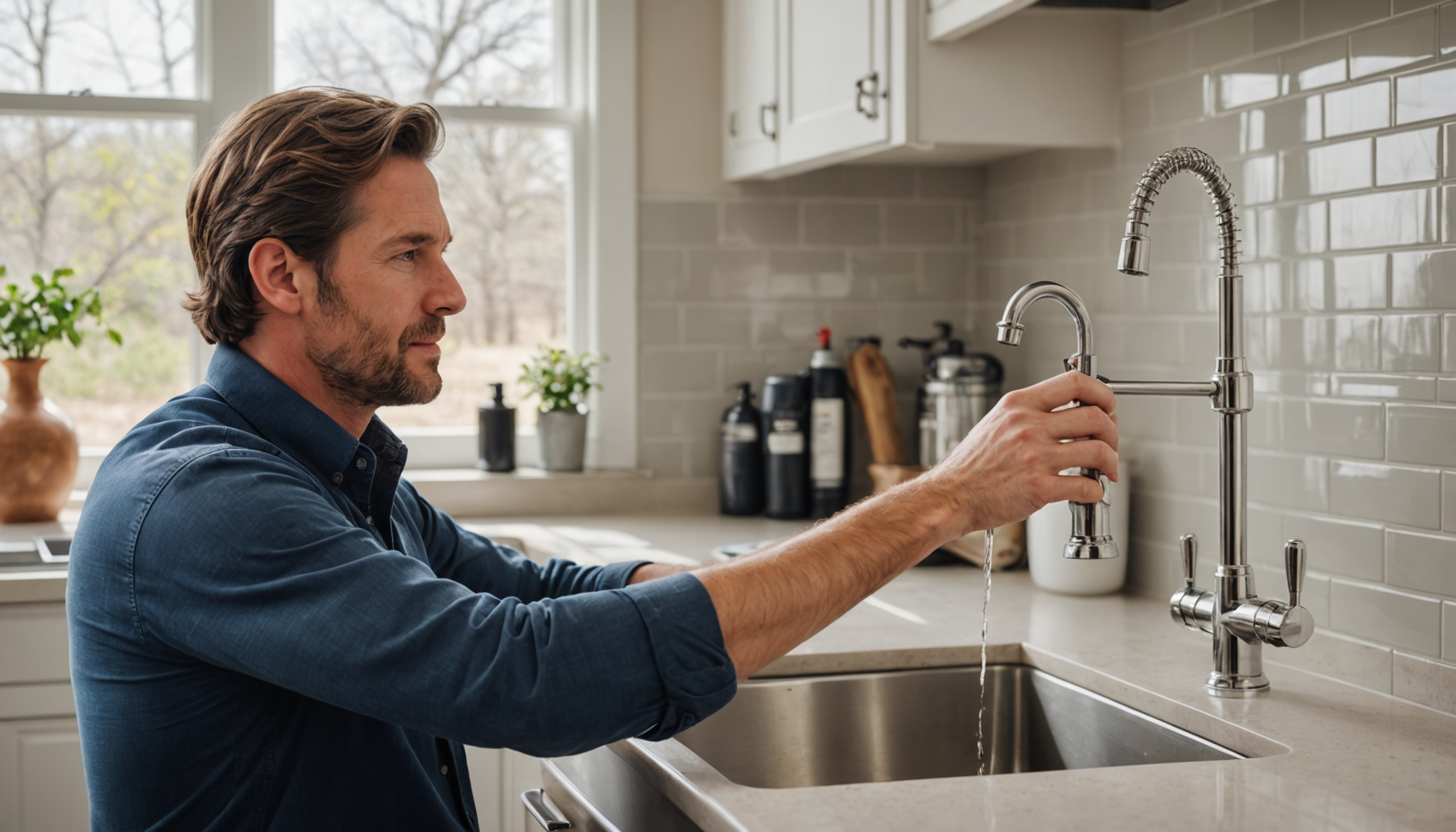
Low Water Pressure in Your Home? Here's How to Fix It
Low water pressure is one of those plumbing problems that starts as a minor annoyance and quickly takes over your daily life. Slow showers. Faucets that barely dribble. A dishwasher that takes forever to fill. The good news? Most water pressure issues have a clear, fixable cause — and many of them you can diagnose yourself before calling a plumber.
Here's what's actually causing your low water pressure, how to pinpoint the source, and what it takes to get strong, consistent flow back in every room of your home.
---
What Counts as Normal Water Pressure?
Before diving into fixes, it helps to know your baseline. Residential water pressure in the U.S. should fall between 40 and 80 PSI (pounds per square inch). Most Austin homes run comfortably around 55–65 PSI.
Anything below 40 PSI will feel noticeably weak — think sluggish showers and slow-filling toilets. Above 80 PSI is actually too high and can damage pipes and appliances over time.
How to check your home's water pressure:
1. Pick up a water pressure gauge at any hardware store (they typically run $10–$20).
2. Screw it onto an outdoor hose bib or laundry faucet.
3. Turn on the water fully and read the gauge.
4. Test at different times of day — morning demand peaks can temporarily lower pressure.
If you're consistently reading below 40 PSI, keep reading.
---
The Most Common Causes of Low Water Pressure at Home
1. A Partially Closed Main Shutoff Valve
This is the first place to check, and it's surprisingly often the culprit — especially after any recent plumbing work. Your home has two main shutoff valves:
- The street-side shutoff (near your water meter, usually by the curb)
- The house-side shutoff (typically near where the main line enters your home)
If either valve is even slightly closed — say, turned 10–15% from fully open — it can dramatically restrict flow throughout the entire house. Make sure both valves are fully open (turned counterclockwise as far as they'll go, or lever handles parallel to the pipe).
2. A Failing Pressure Reducing Valve (PRV)
Most Austin homes built after the 1980s have a pressure reducing valve, a bell-shaped device typically located where the main line enters the house. It's preset by the manufacturer to deliver water at a safe, consistent pressure (usually around 50–60 PSI).
PRVs last roughly 10–15 years on average. When they start to fail, they can drop your home's pressure significantly — or sometimes cause it to spike unpredictably. A licensed plumber can test the PRV in about 15 minutes. If it's failing, replacement parts are relatively affordable, and the swap is usually a one-hour job.
3. Corroded or Clogged Pipes
If your home was built before the 1980s and still has the original galvanized steel pipes, corrosion buildup inside the pipes is a very likely suspect. Over decades, rust and mineral scale accumulate on the interior walls of galvanized pipes, progressively narrowing the passage water can flow through — a bit like plaque building up in arteries.
Austin's water supply has moderate mineral hardness, which accelerates this process. If corrosion is the issue, re-piping with copper or PEX is usually the long-term solution. It's an investment, but it eliminates the problem for good.
4. Mineral Buildup in Fixtures and Aerators
Sometimes low pressure isn't a whole-house problem — it's isolated to one or two fixtures. In that case, mineral deposits (calcium and magnesium) clogging the faucet aerator or showerhead are almost always to blame.
Quick DIY fix for a clogged aerator:
1. Unscrew the aerator from the tip of the faucet (hand-tight, or use a cloth-wrapped wrench).
2. Soak it in white vinegar for 30–60 minutes.
3. Scrub gently with an old toothbrush to remove loosened deposits.
4. Reinstall and test.
Showerheads respond to the same treatment — just fill a plastic bag with vinegar, secure it around the showerhead with a rubber band, and let it soak overnight.
5. A Hidden Water Leak
A significant leak somewhere in your plumbing system bleeds off pressure before it ever reaches your fixtures. Leaks can hide in walls, under slabs, or in the yard — you may not see any visible water damage at all.
Simple leak check:
1. Turn off every water fixture in the house (including the icemaker and irrigation system).
2. Find your water meter and note the reading.
3. Wait 30–60 minutes without using any water.
4. Check the meter again. If it moved, you likely have a leak.
If you suspect a hidden leak, that's the time to call a plumber. Catching hidden drain or pipe problems early can save you from costly water damage repairs down the road.
6. Peak-Hour Demand from the Municipal Supply
If your water pressure drops specifically in the morning (6–9 AM) or evening (5–7 PM), you may be experiencing neighborhood-wide demand peaks. This is common in fast-growing areas of Austin as population density increases. In 2026, several high-growth zip codes on the east and north sides are seeing more pressure complaints tied to infrastructure strain.
If this is a consistent pattern, contact Austin Water at 512-972-1000 to report it. They can confirm whether the city supply pressure to your street is within spec. A pressure-boosting pump system is also a permanent solution worth considering.
---
Low Water Pressure in Specific Areas: A Quick Diagnostic Guide
Not all pressure problems are whole-house issues. Here's how to narrow it down:
| Symptom | Likely Cause |
|---|---|
| Low pressure everywhere, all the time | PRV failure, main valve, corroded pipes |
| Low pressure only at one faucet | Clogged aerator or supply stop valve |
| Low pressure only in shower | Clogged showerhead, flow restrictor |
| Low pressure only in hot water lines | Water heater issue (sediment buildup) |
| Pressure fine in morning, weak later | Neighborhood demand peak or leak |
When It's Actually a Water Heater Problem
If you're only experiencing low pressure on the hot water side, your water heater may be to blame. Sediment accumulation inside the tank can block the outlet, and internal corrosion can restrict flow significantly. This is often an early indicator of bigger water heater trouble — if you're also noticing rusty water or strange popping sounds, recognizing the signs your water heater is failing before it gives out completely is critical for avoiding an emergency situation.
---
When to Call a Plumber for Low Water Pressure
DIY fixes like cleaning aerators and checking shutoff valves are great starting points, and they're often all you need. But call a licensed plumber when:
- Pressure is low throughout the entire house and you've confirmed both shutoff valves are fully open
- You suspect a PRV failure (pressure is wildly inconsistent or your gauge reads under 35 PSI)
- Your home has galvanized pipes and you're seeing rust-colored water alongside low pressure
- The water meter test suggests a hidden leak — slab leaks and underground line breaks need professional leak detection equipment
- You want to install a booster pump — these need to be properly sized and installed to avoid damage to your plumbing system
At FlowFix Plumbing, we offer same-day emergency service across Austin, and free estimates on any job over $200. A pressure diagnostic visit typically takes 30–45 minutes, and we'll walk you through every option — from a simple valve adjustment to a full re-pipe quote — before any work begins.
---
Quick Summary: How to Fix Low Water Pressure
1. Measure your pressure with a $10–$20 gauge from the hardware store.
2. Check both main shutoff valves — make sure they're fully open.
3. Clean aerators and showerheads with a vinegar soak if the issue is isolated to one fixture.
4. Run the water meter test to rule out a hidden leak.
5. Have a plumber test your PRV if pressure is consistently low throughout the house.
6. Consider re-piping if your home has aging galvanized pipes with visible corrosion.
7. Call Austin Water if pressure drops happen only during peak hours.
Strong, consistent water pressure isn't a luxury — it's something your home's plumbing should deliver reliably every day. If you've worked through these steps and still can't find the cause, give FlowFix Plumbing a call. We've been diagnosing and fixing water pressure problems across Austin for 15 years, and we're happy to take a look.